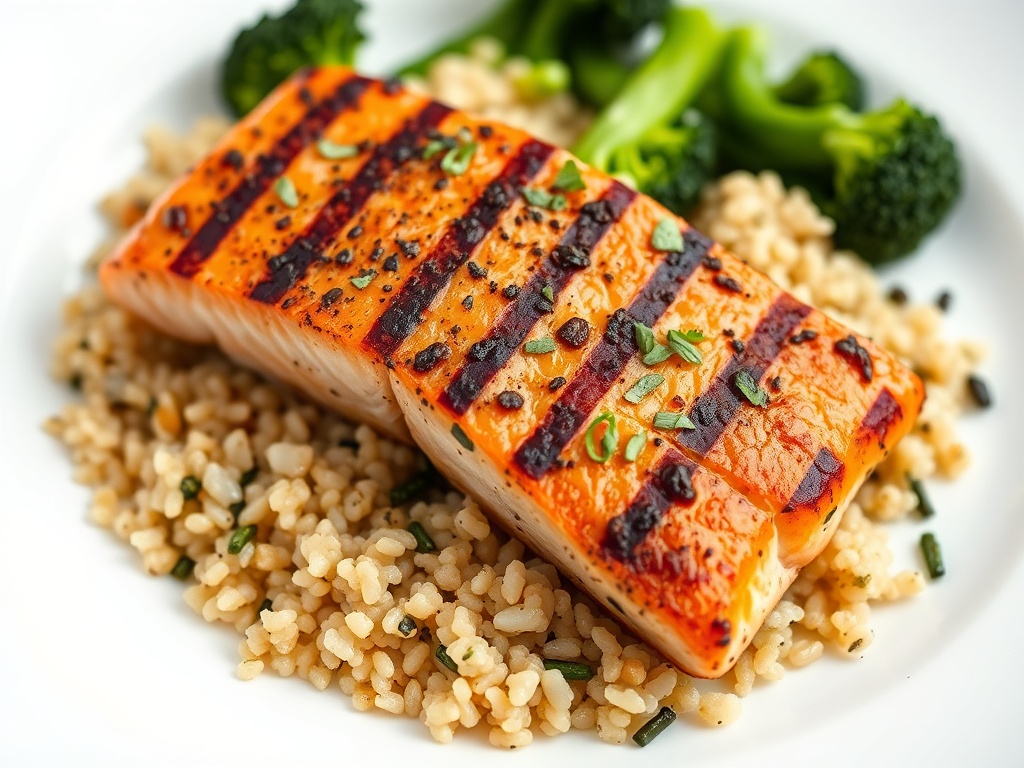
Expert Nutritionist Tips for Stronger Health, Better Energy Optimize Your Wellness
Discover science-backed nutritional strategies specifically designed for men's health. Our expert guidance helps you boost energy, improve fitness results, and support long-term wellness.


Expert Nutrition Tips
Essential Nutritional Strategies to Optimize Your Men's Health
Protein Optimization
Strategic protein intake supports muscle growth, recovery, and sustained energy levels throughout your day and workout sessions.
Micronutrient Balance
Targeted micronutrients including zinc, magnesium, and B vitamins address specific male health concerns and metabolic function.
Heart Health Nutrition
Cardiovascular support through proper dietary choices reduces disease risk and promotes lasting vitality and stamina.
Energy & Stamina
Balanced macronutrients and strategic meal timing maintain stable blood sugar and deliver consistent mental and physical performance.
Fitness Performance
Nutrition fuels athletic gains, accelerates recovery, and maximizes strength development when properly coordinated with training.
Hydration Strategy
Optimal hydration enhances cognitive function, physical performance, and overall health while supporting metabolic efficiency.
Prostate Support
Specific nutrients protect prostate health and reduce inflammation through evidence-based dietary interventions and choices.
Weight Management
Sustainable approaches to body composition through portion control, nutrient density, and personalized caloric guidelines.
Sleep Improvement
Nutritional strategies enhance sleep quality and recovery, supporting hormone balance and restorative nighttime health benefits.
Stress Management
Targeted nutrition reduces cortisol levels and supports mental resilience through adaptogenic foods and proper nutrient intake.
Bone Strength
Calcium, vitamin D, and mineral-rich foods maintain skeletal integrity and prevent age-related bone density loss in men.
Hormone Balance
Nutrition influences testosterone and hormonal equilibrium, supporting vitality, mood stability, and physical performance daily.
FAQs
Nutrition Questions & Expert Answers
How much protein should men consume daily for optimal muscle development and overall health maintenance?
Daily protein requirements vary based on activity level, age, and fitness goals, but generally range from 0.8 to 1.2 grams per kilogram of body weight. Active men and those focused on muscle development benefit from higher intake levels. Distribute protein across meals, combine with resistance training, and prioritize quality sources including lean meats, fish, eggs, legumes, and dairy. Adequate hydration supports protein synthesis and nutrient absorption throughout your body.
What are the best foods for supporting cardiovascular health and energy levels in men?
Heart-healthy nutrition emphasizes omega-3 rich fish like salmon, whole grains, nuts, seeds, and colorful vegetables packed with antioxidants. These foods reduce inflammation, support blood vessel function, and stabilize energy through sustained carbohydrates. Limit saturated fats, refined sugars, and processed foods that spike blood pressure and fatigue. Green tea, dark chocolate, and berries provide additional cardiovascular benefits while supporting sustained mental clarity and endurance throughout daily activities.
How can nutritional strategies improve sleep quality and post-workout recovery for men?
Quality sleep depends on magnesium-rich foods like leafy greens, nuts, and seeds consumed several hours before bedtime. Amino acids including tryptophan support melatonin production. Post-workout recovery requires carbohydrates and protein within two hours of exercise to replenish glycogen and repair muscle tissue. Avoid caffeine after 2 PM, establish consistent meal timing, and reduce evening screen exposure. Adequate nutrient timing coordinates digestion with your natural circadian rhythms.
Which supplements and nutrients specifically address prostate health and hormonal balance in men?
Prostate support combines zinc, selenium, and saw palmetto alongside lycopene from tomatoes and polyphenols from green tea. These compounds reduce inflammation and support healthy cell function. Vitamin D regulates testosterone production, while magnesium supports hormonal balance and stress response. Consult healthcare providers before supplementing, prioritize whole food sources, and maintain realistic expectations. Consistent nutrition combined with regular exercise creates sustainable hormonal health and long-term vitality.

Start Your Men's Health Nutrition Journey Today
Gain personalized insights and actionable nutritional strategies designed specifically for male wellness and performance optimization.